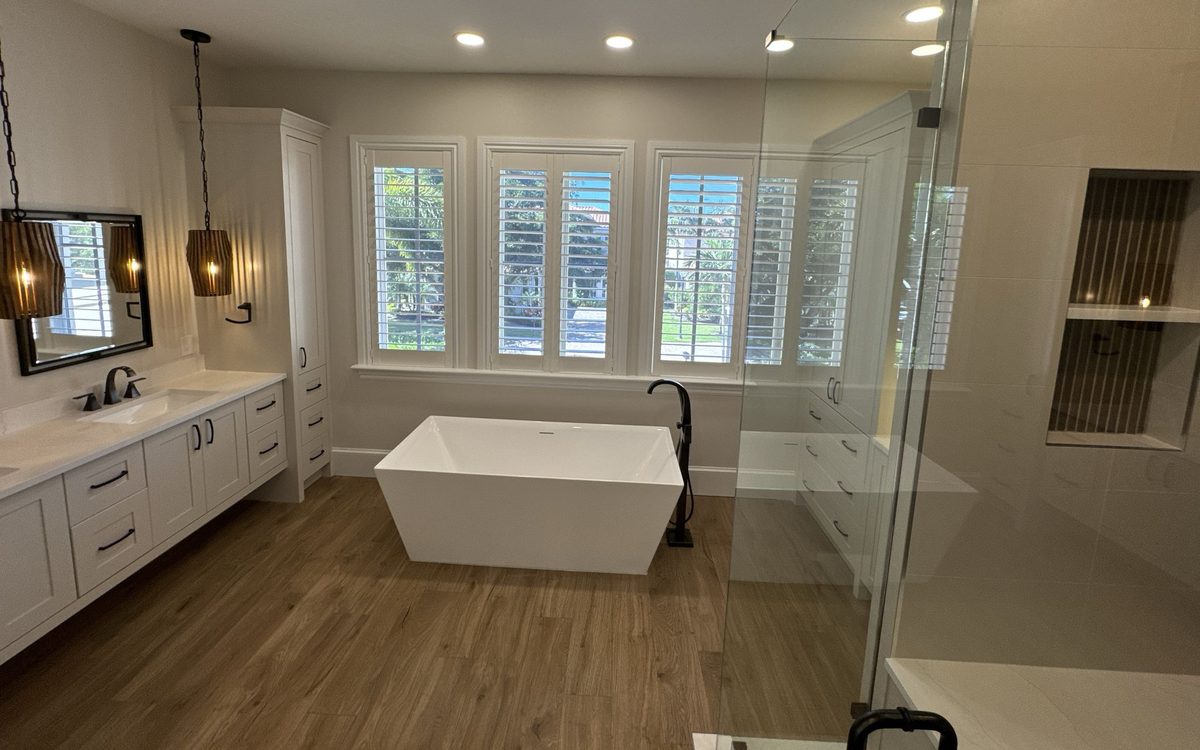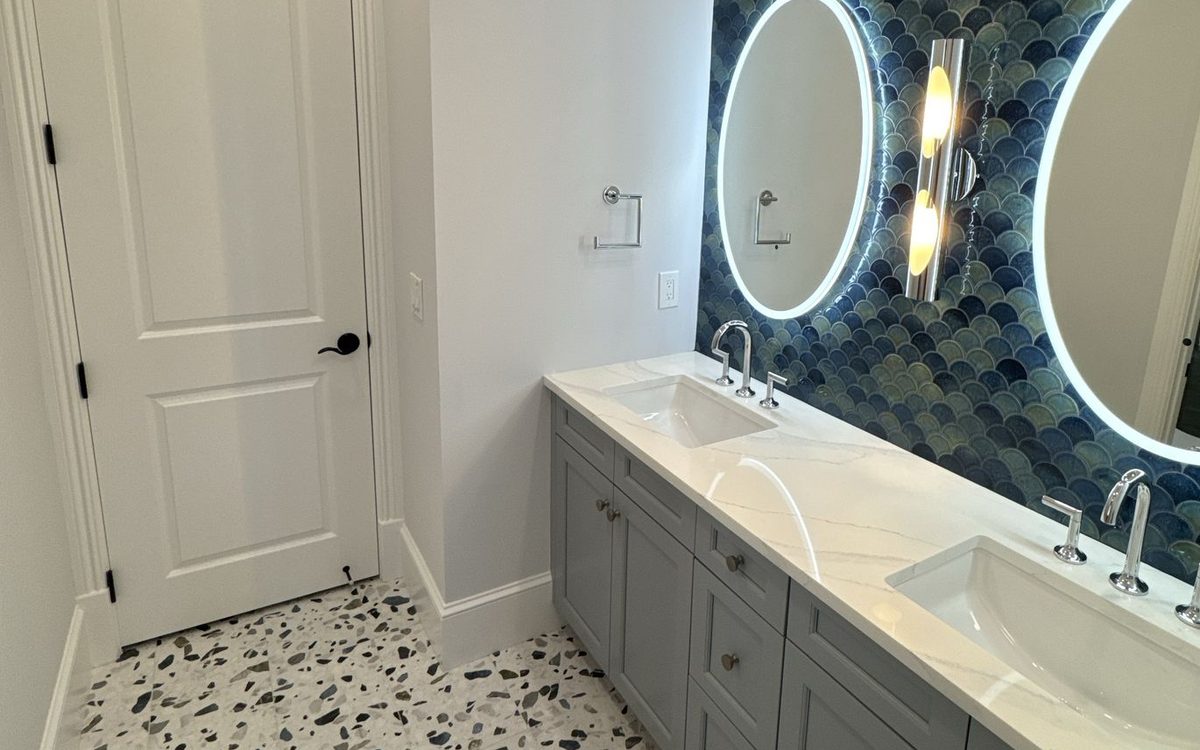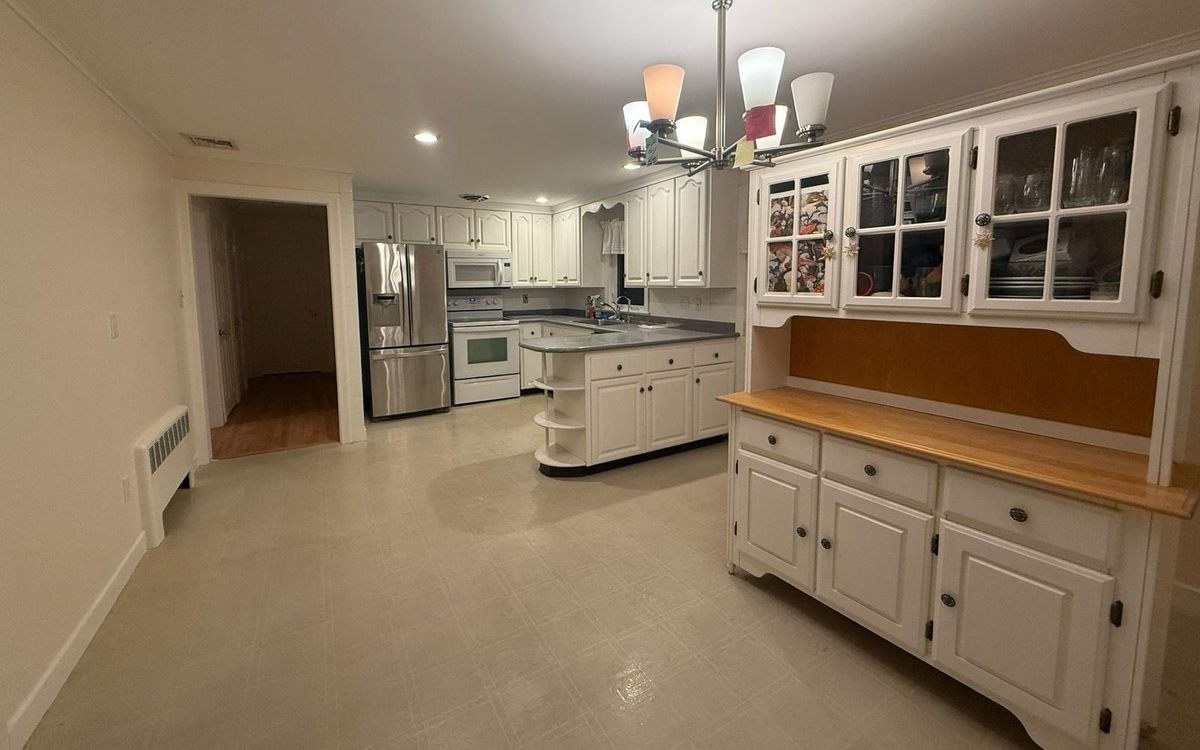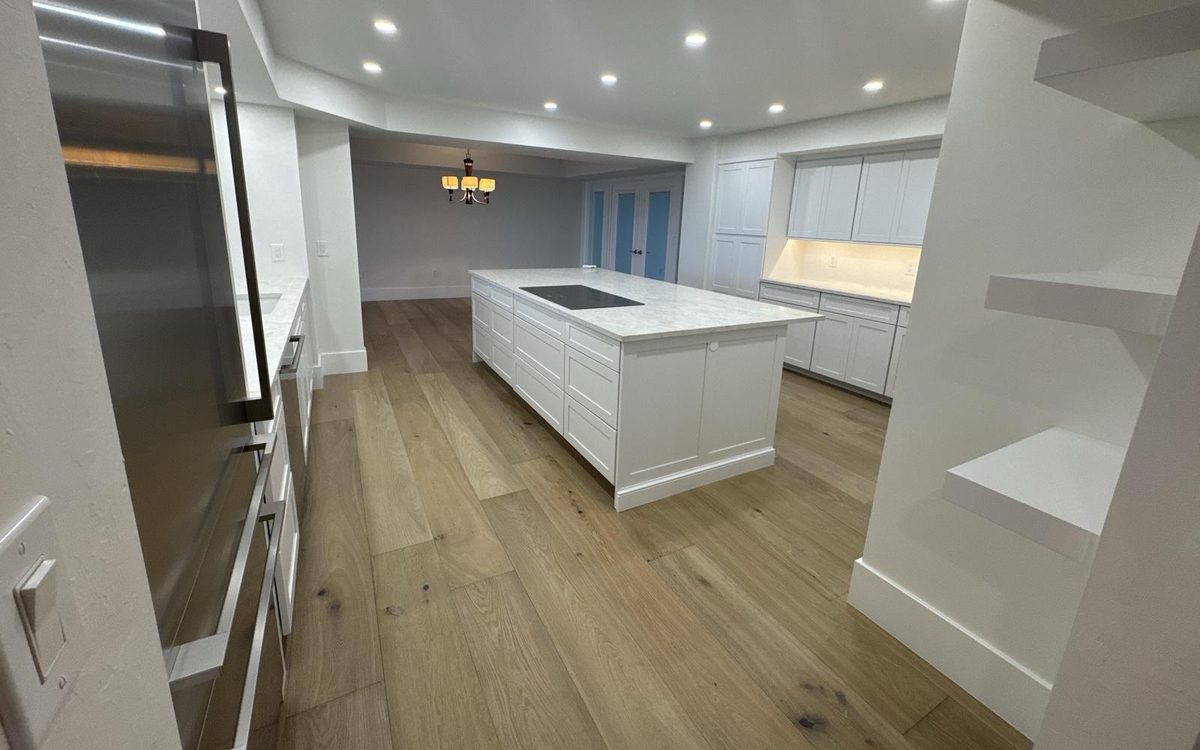
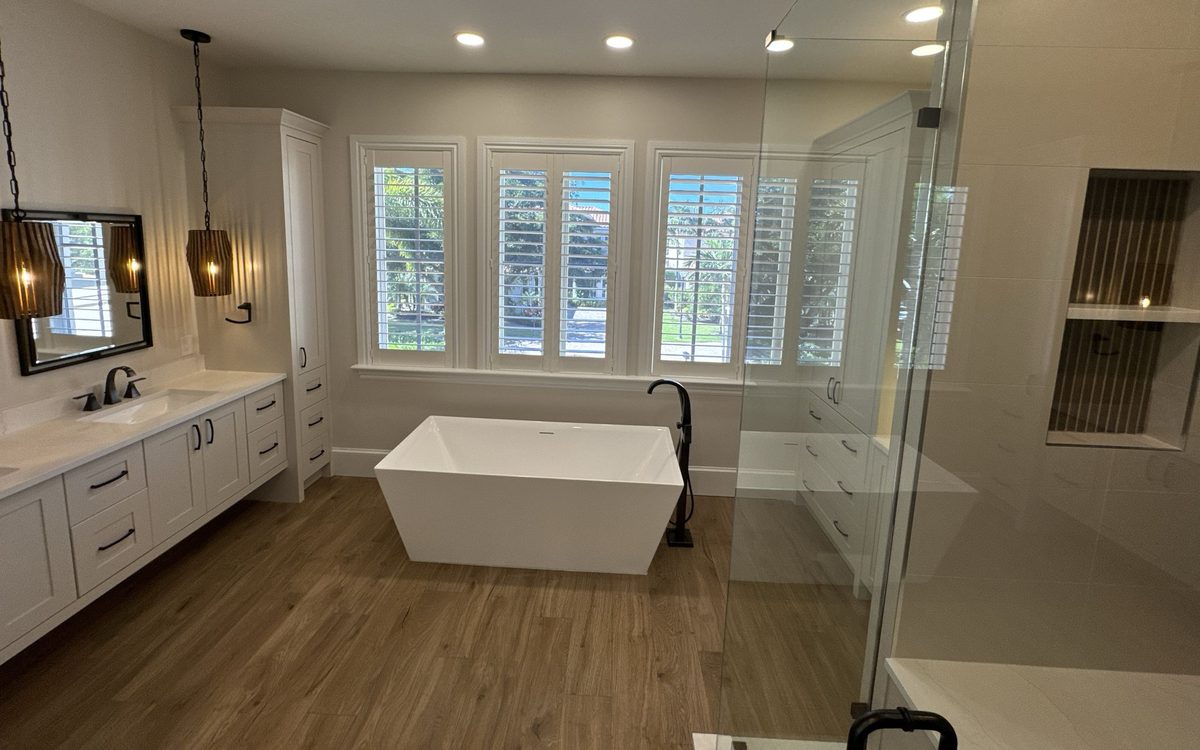
Finishing a remodel or a new build is exciting, right up until you run a finger across the new countertop and it comes away white. Construction leaves behind a layer of dust that seems to regenerate every time you wipe it. That is not your imagination. Construction dust is different from household dust, and it takes a different approach to remove.
This guide explains what post-construction cleaning involves, why the sequence matters so much, and how to plan it around the end of a project in Georgetown, Millsboro, Lewes or anywhere in Sussex County.
Why construction dust is so hard to get rid of
Sanding drywall compound, cutting tile, and trimming wood create particles far finer than the dust that normally settles in a home. These particles stay airborne for hours, drift through the whole house, and settle into places that normal dust rarely reaches: inside cabinet drawers, on top of door frames, in light fixtures, and inside air ducts.
Drywall dust in particular turns into a paste when it gets wet. Wiping it with a damp cloth before removing the loose layer simply smears it, leaving a film that dries into streaks. That is why post-construction cleaning starts dry.
The three phases of post-construction cleaning
Phase one: rough clean
The rough clean removes debris and the loose layer of dust. Packaging, scraps and leftover materials are gathered for disposal. Every surface is vacuumed with a machine that has fine filtration, because a standard vacuum can push the smallest particles right back into the air. Ledges, window sills and door tops are dusted dry.
Phase two: detail clean
Once the loose dust is gone, detail work begins. This is the longest phase. Stickers and manufacturer labels are removed from windows, appliances and fixtures. Paint specks and overspray come off glass with proper blades held at the correct angle. Caulk smears and adhesive residue are removed from tile and hardware. Grout haze, the cloudy film left on new tile, is cleaned with a product suited to the grout type.
Cabinets are cleaned inside and out, including drawers and shelves. Closet rods and shelves are wiped. Window tracks, which collect an astonishing amount of debris during construction, are vacuumed and wiped clean.
Phase three: final clean
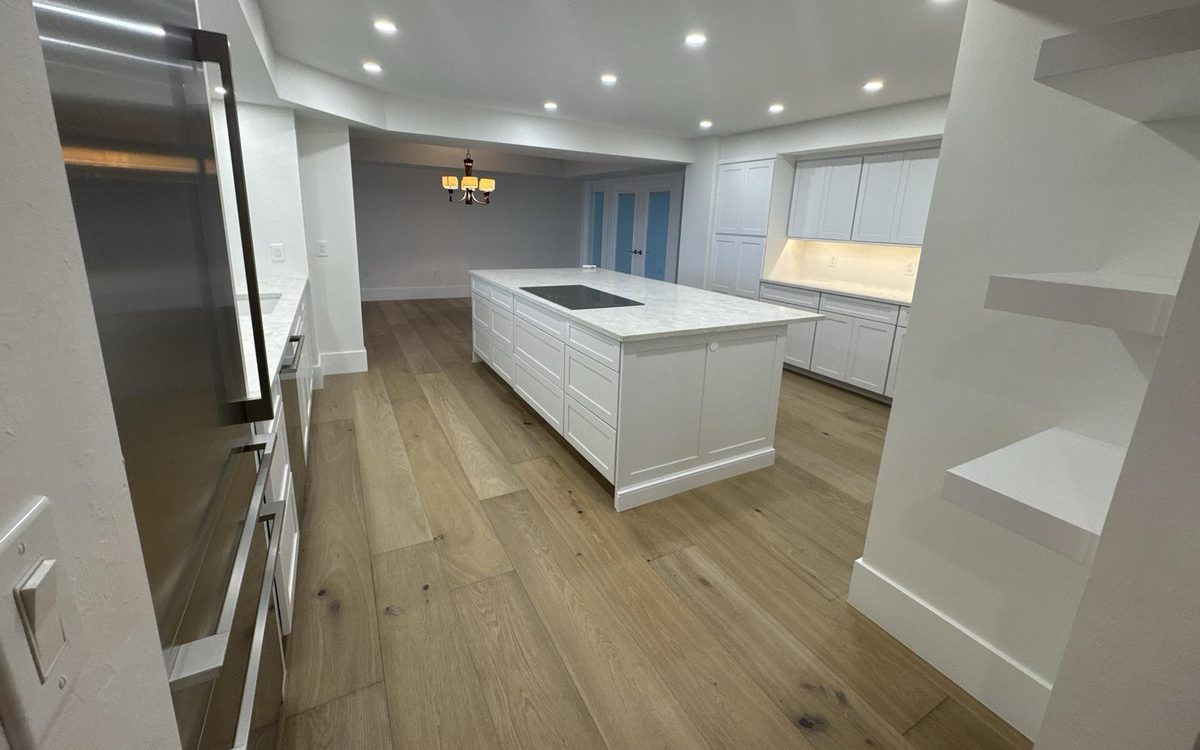
The final clean makes the space livable. Bathrooms are sanitized, kitchen surfaces are finished, glass and mirrors are polished, and floors are cleaned according to their material. Hardwood, luxury vinyl, tile and carpet each need a different method. The last step is one more dusting pass, because fine dust will have settled again while the other work was happening.
Timing: when to schedule the cleaning
The most common mistake is scheduling the final clean too early. If painters are still doing touch-ups or the flooring crew has one more room, the new work will create dust that undoes the cleaning. Book the final clean once the trades are finished and the space is no longer an active job site.
For larger projects, a rough clean between phases can help. It keeps the site safer and more manageable and makes the final clean faster. On new builds, some builders schedule a rough clean before the flooring goes down and a final clean before the owner walk-through.
The touch-up visit
Even after a thorough final clean, some dust continues to settle for several days, especially once the heating or cooling system runs for the first time and pushes air through new ductwork. A short touch-up visit a few days later catches it. It is a small addition that makes a noticeable difference.
Protecting new finishes
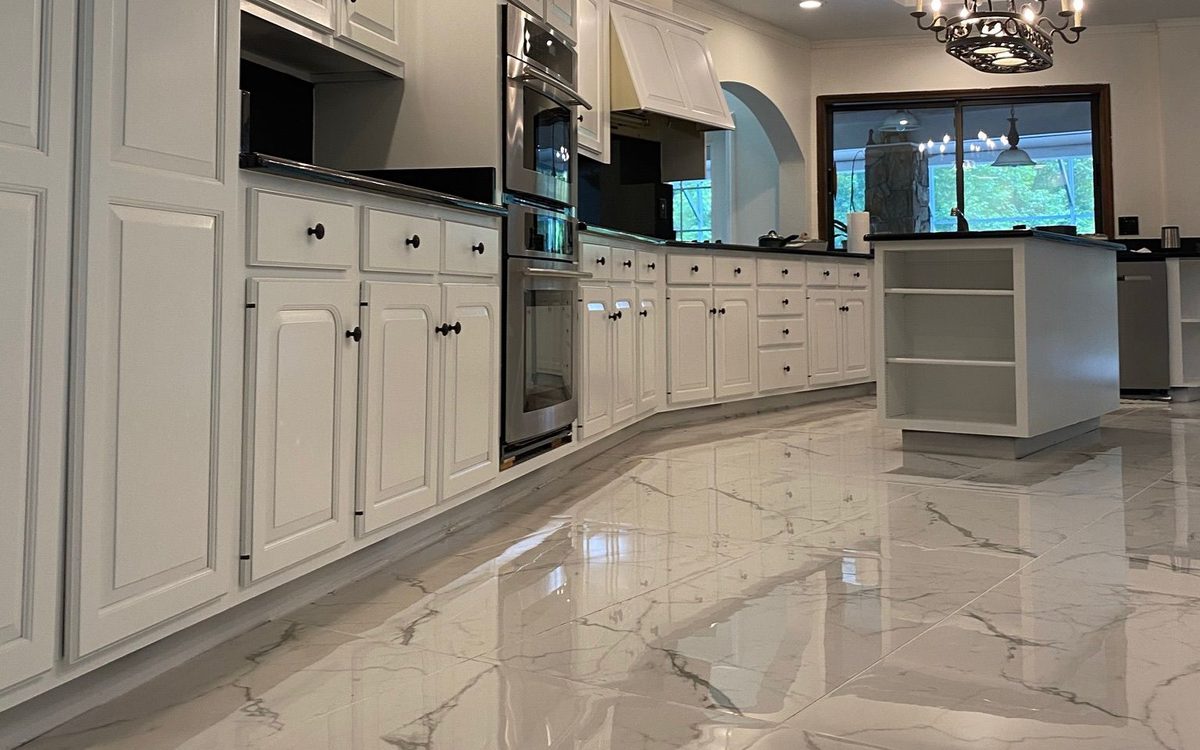
New surfaces are vulnerable. Fresh grout can discolor if it is cleaned with an acidic product too soon. Natural stone countertops can etch under the wrong cleaner. Stainless appliances can scratch if abrasive pads are used to remove adhesive. Glass can scratch if a blade is dragged in the wrong direction or used on dirty glass.
Part of what you pay for in a professional post-construction clean is knowing which tool and product each finish needs. It is worth asking your contractor for any care instructions that came with the materials, and passing them to the cleaning team.
What post-construction cleaning usually does not include
Heavy debris removal and hauling usually stay with the contractor. The cleaning team gathers light debris and packaging to a designated spot, such as a dumpster on site. Removing large scraps, leftover materials and construction waste from the property is typically part of the construction contract.
Exterior pressure washing, duct cleaning and carpet shampooing are specialized services. If you need them, plan them separately and coordinate the timing so they happen before the final interior clean.
A checklist for homeowners
- Confirm with your contractor that all trade work is complete
- Ask for care instructions for new floors, counters and fixtures
- Designate a spot for light debris and packaging
- Replace or clean the HVAC filter after the rough clean
- Schedule the final clean a few days before move-in
- Plan a touch-up visit after the HVAC system has run
Following those steps turns a dusty, just-finished space into one that is actually ready to live in, without weeks of wiping the same surfaces over and over.
Would you rather hand this off? After reading about post-construction cleaning guide, you can have our team take care of it: we offer post-construction cleaning and deep cleaning across Sussex County. Request a quote or call (302) 362-9109.
Frequently asked questions
It depends on the size of the space and the work done. A single remodeled room may take a few hours; a whole new home can take a full day or more.
Yes. Construction dust clogs filters quickly. Replacing it after the rough clean and again after move-in is a good practice.
You can, but it takes time and the right tools. Following the dry-first order and protecting new finishes are the key points.
Written by the Alves Serna Clean Company team
We clean homes and businesses across Sussex County, Delaware, from Georgetown and Millsboro to Lewes, Rehoboth and Bethany. These articles share what we see on the job every week.