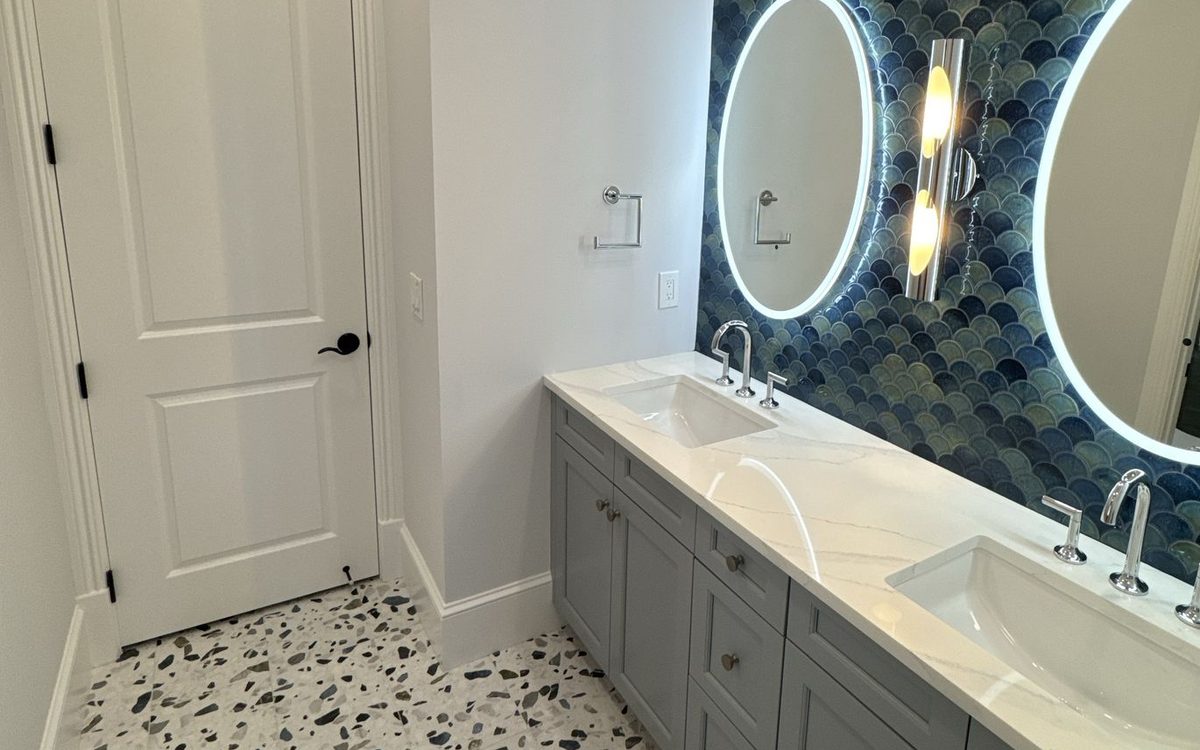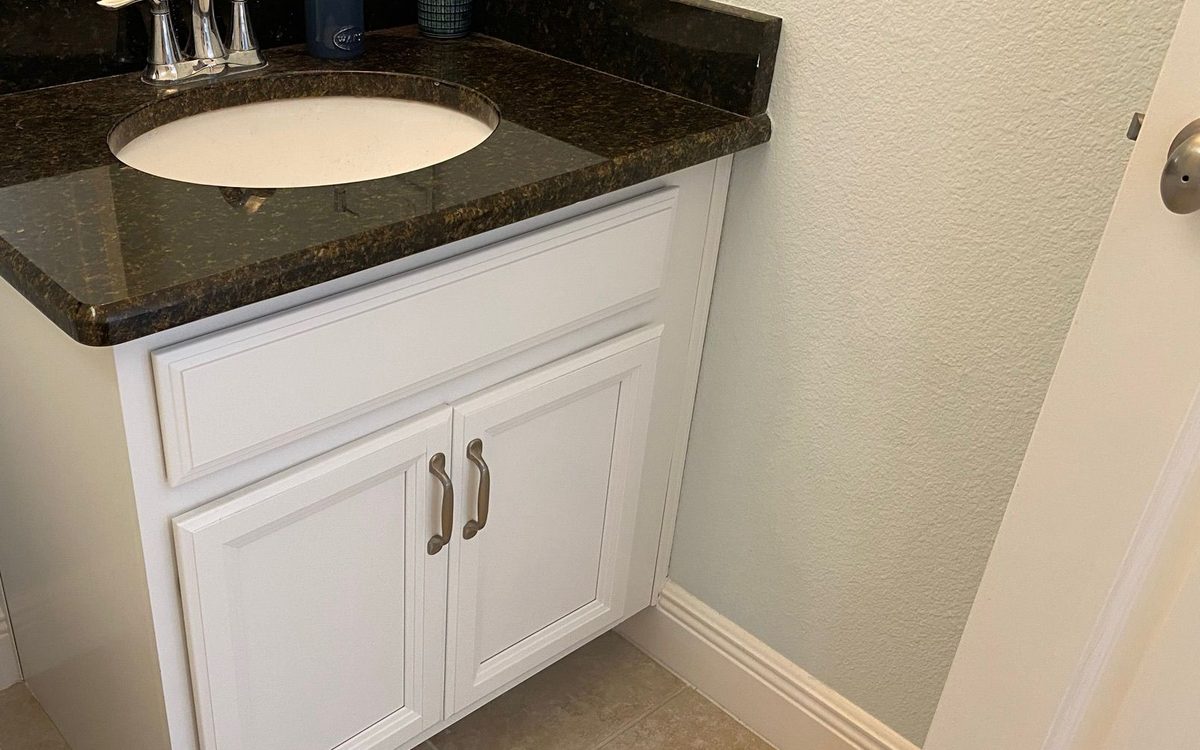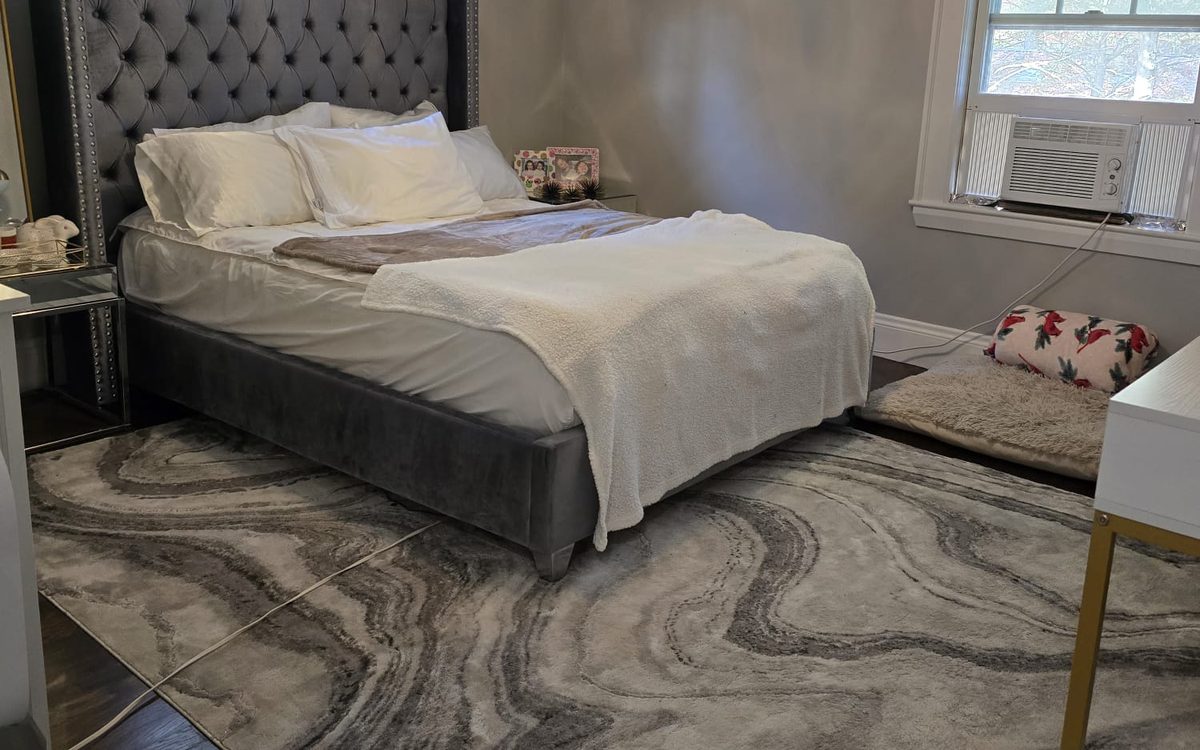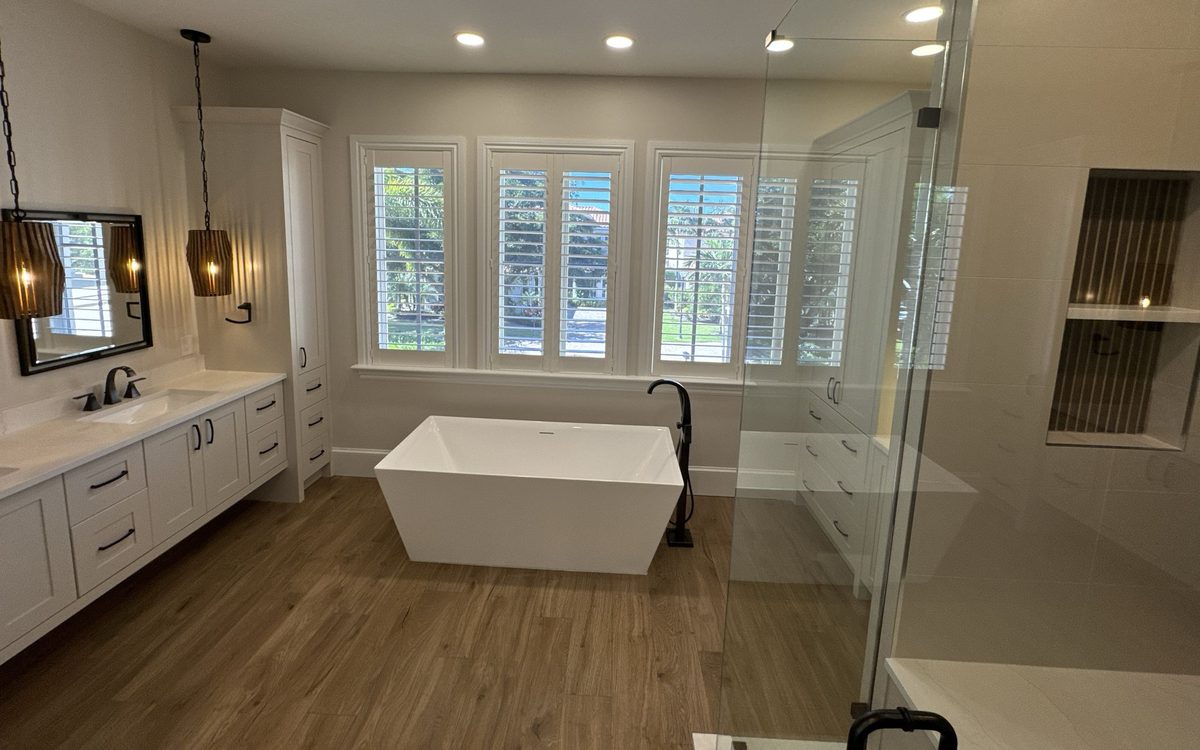
You do not need to clean before the cleaners come. That is a joke people make, but it hides a real question: how much should you do before a professional visit? The answer is less than you think, and most of it is about access rather than cleaning.
Here is what actually helps, what does not matter, and a few details that make the first visit in particular go smoothly.
Pick up, do not clean
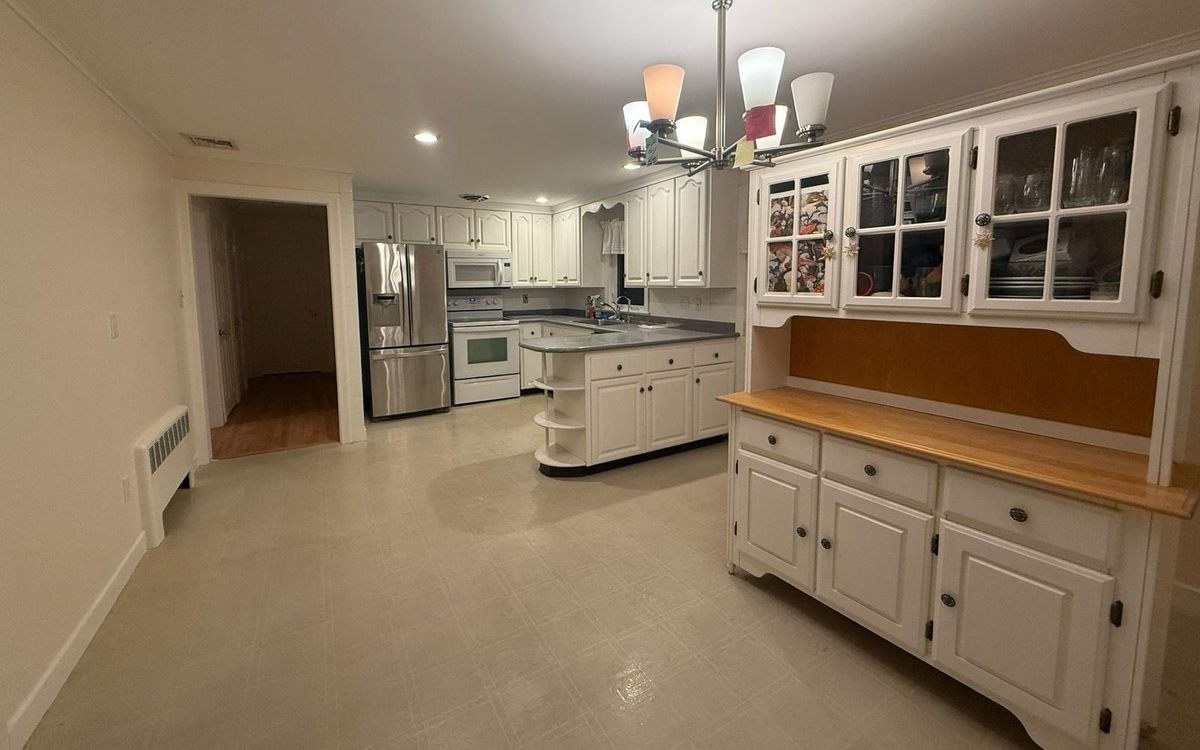
The single most useful thing you can do is clear surfaces and floors. A cleaning team is there to clean, and every minute spent moving piles of clothes, toys, mail or dishes is a minute not spent on the bathroom grout. You do not need to put everything away perfectly; putting it in a basket or a closed room is enough.
- Pick up clothes and shoes from floors
- Gather toys into bins or a single room
- Clear papers and mail from counters and tables
- Load or run the dishwasher so the sink is empty
- Move items off the tops of dressers you want dusted
Secure valuables and fragile items
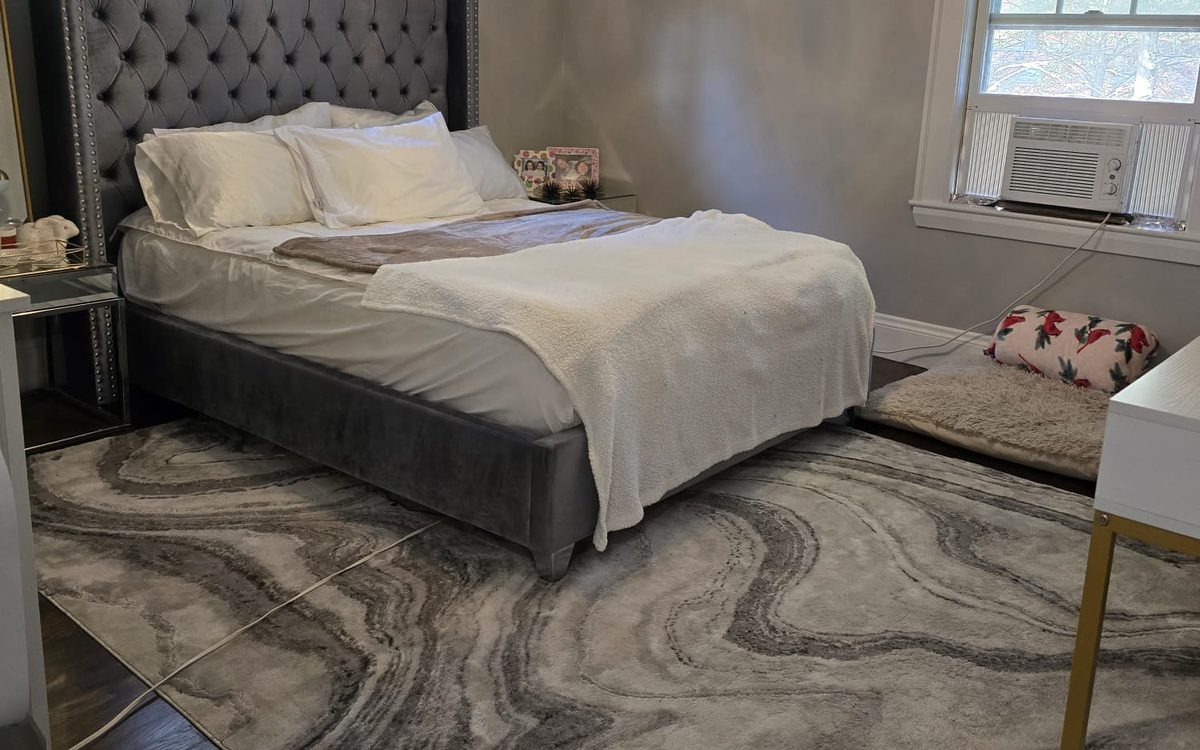
Put away jewelry, cash, and small items of sentimental or high value. It is not a matter of trust; it simply removes any chance of something being misplaced during dusting. Fragile heirlooms or collections you would rather handle yourself are best moved or flagged so the team knows to clean around them.
Tell the team your priorities
Every home has one or two things that bother the owner most. Maybe it is the stovetop, maybe the shower glass, maybe the dog hair on the stairs. If you tell the team, those items move to the top of the list. A short note on the counter or a message before the visit works well.
It is also helpful to mention anything that should not be touched: a home office desk with papers in a particular order, a child’s craft project drying on the table, a room that is off limits.
Share surface and product preferences
Let the team know about special surfaces such as natural stone countertops, unsealed wood, antique furniture or delicate fabrics. If you prefer specific products, such as fragrance-free cleaners because someone in the home is sensitive to scents, leave them out and mention it. The right product on the right surface is part of a good result.
Plan for pets
Most pets are fine with a cleaning visit, but some are anxious around vacuums or strangers, and some are escape artists. Consider keeping dogs in a crate, a closed room or the yard, and let the team know which doors need to stay closed. Mention litter boxes and pet bowls if you want them cleaned or left alone.

Sort out access
If you will not be home, decide how the team will get in: a key under a lockbox, a door code, or a garage code. Share alarm instructions and any quirks, such as a sticky back door. It also helps to note where to leave the key and how to lock up.
Make sure the basics work
The team needs running water, electricity and, ideally, working lights in each room. If a bathroom light is out or a faucet is shut off for repair, mention it so the plan can adjust.
For a first visit or a deep cleaning
A first visit or a deep cleaning takes longer, so plan your day around it. If you want the inside of kitchen cabinets or the refrigerator cleaned, empty them beforehand, or at least clear the shelves you want done. If you are booking a deep cleaning before a holiday, schedule it a few days ahead so there is room for any adjustments.
After the visit
The few minutes after a cleaning are more useful than most people realize. Walk through the rooms that matter most to you while the visit is fresh, and note anything you would like handled differently next time. Specific feedback, such as "please use the dry cloth on the stainless fridge" or "the guest room can be skipped most weeks," helps the team adjust far faster than a general comment.
If something was missed, say so the same day and describe exactly where it is. Small misses are normal on a first visit while the team learns your home, and a clear note usually means they never happen again.
Keeping the arrangement easy
For recurring service, a short list on the kitchen counter works well. Add anything new before each visit: a spill on the rug, a room that needs extra time, a day you will be working from home. It takes a minute and keeps every visit focused on what your household actually needs that week.
What you do not need to do
- Scrub anything before the visit
- Buy special cleaning products unless you prefer specific ones
- Move heavy furniture
- Stay home, unless you want to
Preparation is about giving the team room to work and the information to do it well. Ten or fifteen minutes the night before is usually all it takes, and it is the difference between a good visit and a great one.
Would you rather hand this off? After reading about preparing for a cleaning visit, you can have our team take care of it: we offer house cleaning and deep cleaning across Sussex County. Request a quote or call (302) 362-9109.
Frequently asked questions
Tipping is appreciated but never required. Some clients tip after a large deep cleaning or around the holidays.
Tell us when you book. If you prefer specific products, leave them out and we will use them.
The team will work around it, but time spent tidying reduces the time spent cleaning.
Written by the Alves Serna Clean Company team
We clean homes and businesses across Sussex County, Delaware, from Georgetown and Millsboro to Lewes, Rehoboth and Bethany. These articles share what we see on the job every week.